September 9, 2026 · Shawn Chervinskis
Managing a Rental Property From Out of State in the Texas Hill Country: An Owner's Guide
Own a Hill Country rental but live somewhere else? A practical guide to leasing, screening, inspections, maintenance, emergencies, HOA rules and owner reporting when you cannot be there in person.
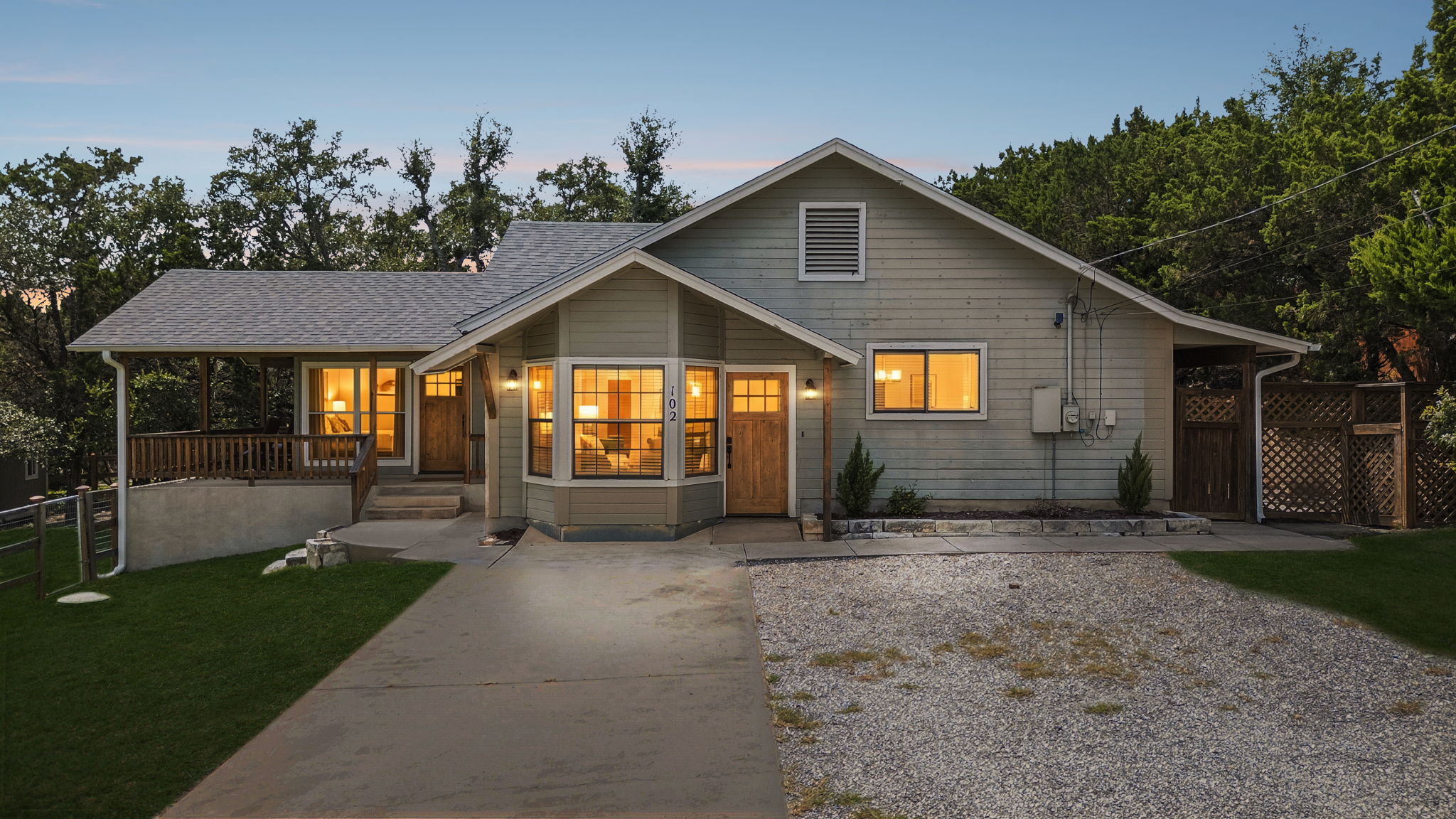
Owning a rental home in the Texas Hill Country and living somewhere else is a workable plan. Plenty of owners do it after a job relocation, a military move, an inherited property, or a purchase made deliberately as an investment. What changes when you are not nearby is not whether the property can be rented well. It is how much of the work depends on someone being able to walk through the front door on short notice.
This guide walks through the parts of remote ownership that actually take up time and attention, and where a local manager tends to add real value versus where a good vendor list and a calendar reminder will do.
Leasing and turnover when you cannot be there
Vacancy is the most expensive period in a rental's year, and it is the period that demands the most physical presence. Photos have to be taken after the home is genuinely ready, not before. Showings have to happen when prospects are free, which is often evenings and weekends. Someone has to confirm the home is clean, lit, cool and unlocked for each one, then lock it back up.
From a distance, the practical options are a lockbox with self-showing technology, a local agent paid per showing, or a management company that treats showings as part of the job. Each has tradeoffs in cost, security and speed. What does not work is a listing nobody can open.
Turnover has the same problem. Between residents you need a walkthrough, a punch list, trades scheduled in the right order, and a final check before the next lease starts. Sequencing that from another state is where a lot of remote owners lose days they did not plan for.
Tenant screening from a distance
Screening is the one part of remote ownership that is genuinely easier than it used to be, because the work is document-based. Income and employment verification, rental history, credit and background review, and identity verification can all be done without standing in the same room.
The distance risk is different: it is pressure. When a home has been vacant and you are watching it from far away, it gets tempting to relax a standard to fill it. Write your criteria down before you list, apply them the same way to everyone, and keep them consistent with fair housing law. A written standard is also what protects you if an application is declined.
Property access, keys and utilities
Small logistics create outsized headaches at a distance. Who holds a spare key. Whether the gate code is documented. Whether utilities stay in your name during vacancy so the air conditioning runs and the home shows well. Whether a well, septic system or propane tank needs a service contact on file. Rural and semi-rural Hill Country properties around Comfort, Spring Branch and Bulverde are more likely to have systems a suburban owner has never had to think about.
Write all of it down in one place: access details, system locations, shutoff valves, warranty paperwork and vendor contacts. If you ever hand the property to a manager, that document saves everyone a month.
Routine inspections
Inspections are how you find out about a slow leak before it becomes a claim. A move-in condition report with photos, a periodic interior check during the lease, and a move-out report give you a documented record of the home's condition over time. That record matters for maintenance planning and for any deposit discussion at the end of the lease.
Notice requirements and the lease terms govern how and when you enter. Handle that properly every time. Residents are far more cooperative with inspections that are scheduled respectfully than with ones that feel like surveillance.
Maintenance and vendor coordination
This is the daily reality of remote ownership. A request comes in, and someone has to decide whether it is urgent, who to send, what it should cost, whether the work was actually done, and how it gets paid and recorded.
Two things make this manageable from another state. First, vendors who already know the property and will take your call. Second, a spending threshold you have decided in advance, so routine repairs start immediately and only larger items wait for your approval. Owners who approve every twenty dollar part personally end up as the bottleneck in their own property.
Vendor coverage across the Hill Country is uneven. A trade that responds same day in Boerne or Fair Oaks Ranch may quote a different timeline out toward Canyon Lake or Comfort. Knowing who actually shows up in your specific area is local knowledge, and it is hard to build from a distance.
Emergencies and after-hours calls
Water intrusion, a failed air conditioner in August, a lockout, a storm limb through a window. Emergencies do not respect time zones, and they are the moments when a resident decides whether they feel taken care of.
Decide in advance who answers the phone at 11 p.m., what that person is authorized to do without reaching you, and how the resident is told to reach them. If the honest answer is that the call would ring your phone in another time zone and go to voicemail, that is a strong argument for local coverage.
HOA rules and local requirements
Many Hill Country neighborhoods, including a number in Fair Oaks Ranch, Garden Ridge, Helotes and newer sections around New Braunfels, are governed by an association with its own rules on parking, exterior appearance, landscaping and leasing. Violation notices are usually mailed to the owner of record, which means they can sit unread in a forwarded stack while a fine accrues.
Get the governing documents, know what the association requires of residents, put the relevant rules in the lease, and make sure notices reach someone who will act on them promptly.
Accounting, reporting and records
Distance makes good recordkeeping more important, not less. You want rent receipts, itemized maintenance costs with invoices, a running picture of income and expenses, and a year-end summary your tax preparer can use without a scavenger hunt.
Owners who self-manage should keep a separate account for the property and file every invoice as it arrives. Owners using a manager should expect monthly statements and clear year-end documentation as a baseline, not an upgrade.
Long-term residential is not short-term rental
The Hill Country has a visible vacation rental market, and the two businesses get conflated constantly. They are not the same. A short-term rental is a hospitality operation: nightly turnover, cleaning, guest communication, furnishings, and local rules that vary by jurisdiction. A long-term residential rental is a lease relationship: place a qualified resident, maintain the home, keep the paperwork clean, and protect the asset over years.
Our Hill Country work, including Canyon Lake, is long-term residential management. If you are weighing the two for the same property, they call for different budgets, different staffing and different expectations, and that decision is worth making deliberately rather than by default.
If the short-term route is what you are considering, we cover that separately under short-term and vacation rental management
When does local management make sense?
There is no universal answer, but a few conditions reliably tip the scale. You cannot cover weekday and weekend showings. You do not have vetted trades in that specific town. You would not be reachable for an after-hours emergency. You own more than one property and the coordination has become a second job. Or the property is in a place where you simply do not know who to call.
Conversely, self-managing can work fine with one nearby-ish property, a strong resident already in place, a plumber and an HVAC tech who answer, and a family member or friend who can look at the house when needed.
If you want a picture of what a local team actually takes on day to day, start with our page on local Hill Country property management
For a plainer breakdown of the work itself, see our owner services
Owners in a specific market may prefer our page on Boerne property management
or the one on New Braunfels property management
If you hold more than one property, or you are buying with a return in mind, the better starting point is our investor services
And if the question is simply what management costs, that is on our pricing
A practical starting checklist for remote owners
Before you list
Write down your screening criteria. Confirm the home is genuinely rent-ready, not almost. Decide how showings will happen and who will handle them. Check the HOA rules on leasing. Make sure utilities are on.
During the lease
Set a maintenance spending threshold. Confirm who answers after hours. Schedule inspections in advance. File every invoice as it comes in.
At renewal or turnover
Review the rent against what comparable homes are actually leasing for. Plan the turn sequence before the resident moves out. Get a written condition report at both ends.
Want a second opinion on your Hill Country rental?
If you would like to know what your home should rent for and what management would actually involve, we will put together a written rental analysis and talk it through with you. No obligation, and no pressure to sign anything.
Frequently asked questions
Can I rent out a Hill Country home while living in another state?
Yes. Texas does not require a rental property owner to live in the state. What matters is having a reliable way to show and lease the home, respond to maintenance, handle emergencies, keep records and meet your obligations as a landlord.
Do I need a local property manager, or can I self-manage remotely?
Both are possible. Self-managing works best when you have a dependable local contact, vetted vendors and the flexibility to respond quickly during the day. Local management usually earns its keep when showings, inspections, vendor coordination or after-hours calls are hard for you to cover from a distance.
How often should a rental home be inspected?
Most owners we work with want a documented interior condition check periodically during the lease term, plus a move-in and move-out condition report with photos. The right cadence depends on the property, the lease and how long the resident has been in place.
Who handles a burst pipe or an air conditioning failure if I live out of state?
Someone local has to. That means either a vendor you have a standing relationship with and a way to authorize work quickly, or a manager with after-hours intake and pre-approved spending limits so repairs start without waiting on a time zone.
Is managing a long-term rental the same as managing a vacation rental?
No. Long-term residential leasing is about placing a qualified resident on a lease term, then maintaining the home and the relationship. Short-term and vacation rentals involve nightly turnover, cleaning, guest support and different local rules. Our Hill Country management, including Canyon Lake, is long-term residential management.
How do I know what my Hill Country home should rent for?
Look at comparable homes currently available and recently leased nearby, then adjust for condition, layout and how the home shows. We put that together for owners in a written rental analysis at no cost.